Humanitarian Aid Starts With People Like You
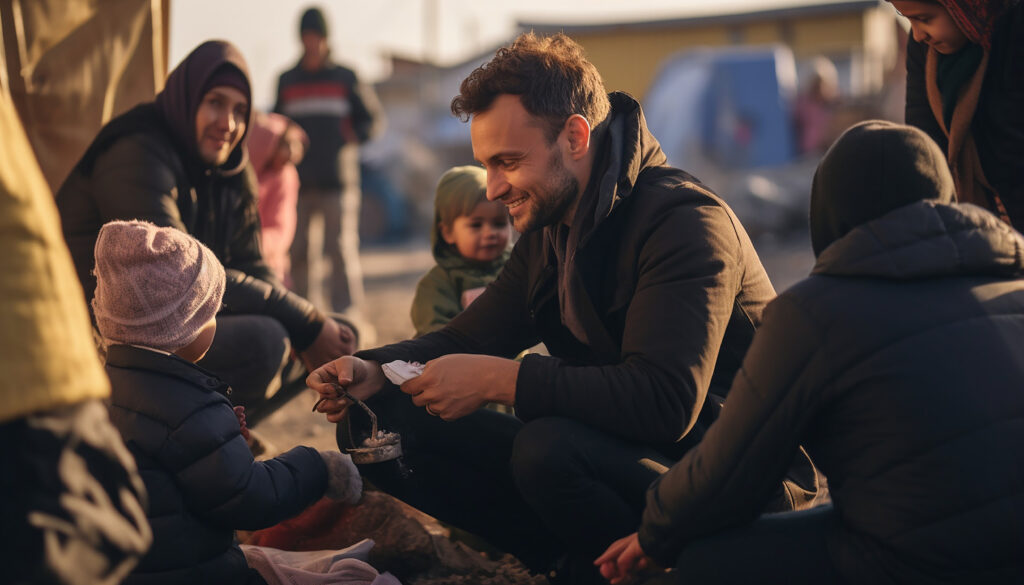
Every crisis that makes the news represents millions of real lives. Families displaced, communities torn apart, and people searching for safety, food, and a future worth holding onto.
Humanitarian aid is the global response that meets those needs, and understanding how it works is the first step toward doing something about it.
How Does Humanitarian Aid Work
Aid organizations mobilize quickly when disaster strikes or conflict forces communities to flee. Resources, personnel, and funding move from donors to affected areas through coordinated networks built over decades of experience.
Emergency Relief
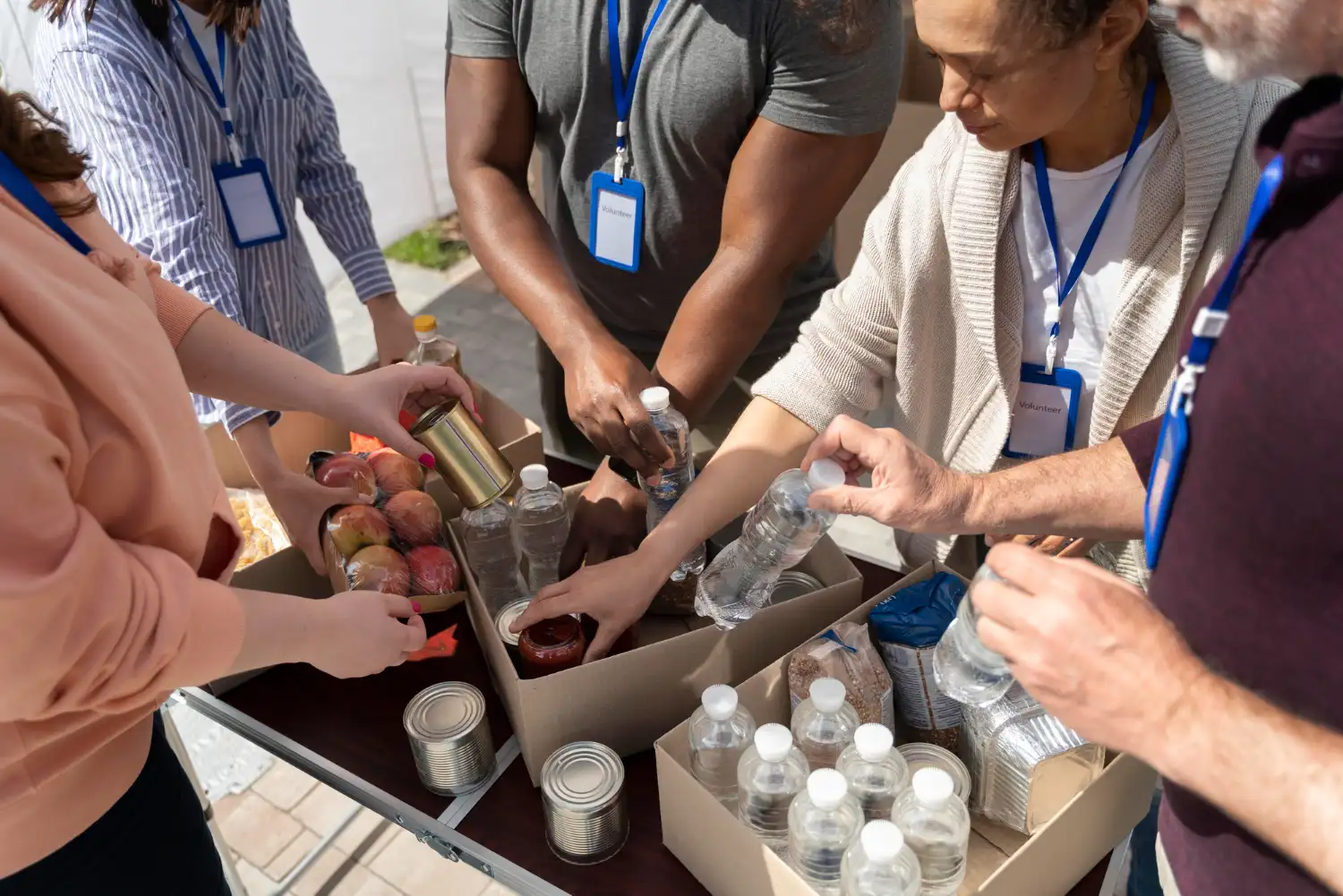
The first phase is immediate survival. Food, clean water, shelter, and medical care reach people in acute need, often within 72 hours of a crisis being declared.
Longer-Term Recovery
Once urgent needs are met, aid shifts to rebuilding. Communities receive support for housing, education, and economic recovery so that relief is a bridge, not just a lifeline.
Types of Humanitarian Aid
Not all aid looks the same. Each type addresses a different layer of human need.
Food and Nutrition Programs
Hunger is one of the first consequences of displacement. Food aid reaches refugee camps, conflict zones, and disaster-affected communities through distributions, vouchers, and local market support.
Refugee Resettlement
Resettlement moves refugees from temporary camps or unsafe host countries to places where they can rebuild stable lives. The process involves government sponsorship, medical screening, and community placement.
Cultural Integration
Arriving in a new country is only the beginning. Cultural integration programs help newcomers learn the language, find work, connect with neighbors, and feel at home in their new communities.
How to Help Refugees and Communities in Need
You do not need to work for an NGO to make a real difference. Individuals, local groups, and small businesses all play a role in the humanitarian system.
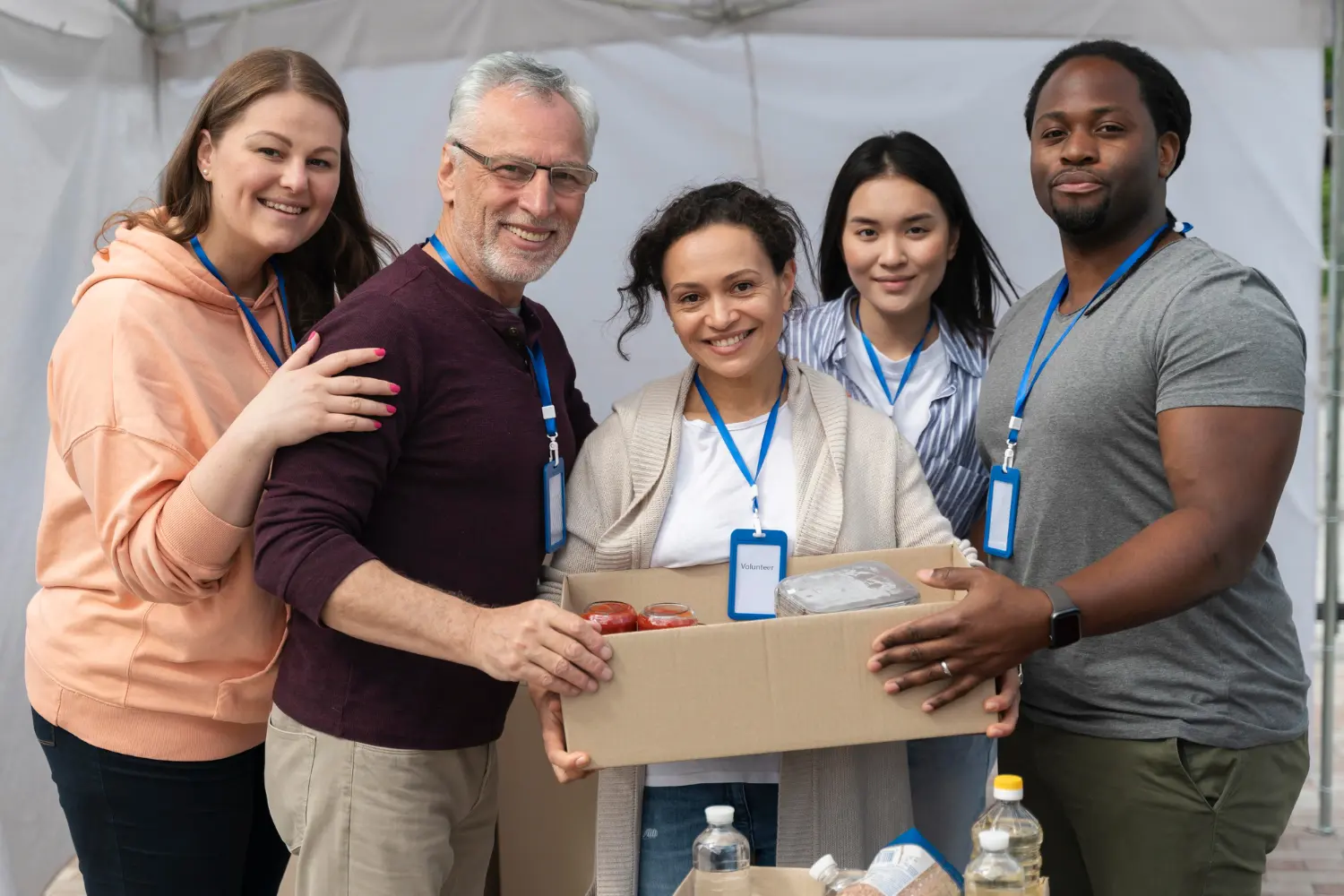
Volunteer with a resettlement agency in your area. Donate to vetted organizations responding to current crises. Advocate for policies that support refugee access to housing and employment. Host a cultural exchange event in your neighborhood. Small actions, multiplied across communities, change lives.
Humanitarian aid is not a distant, abstract system. It is built by people who decided to act. You can be one of them.
Coffee Knowledge & Tips
Custom essay services like https://writepaper.com/buy-assignment deliver tailored writing solutions that emphasize clarity, originality, and adherence to educational guidelines.